
Yancey Criminal Portal Search
Start with the official North Carolina eCourts Portal (Search/Pay). Use it when you need a Yancey County criminal case summary. The portal calls it a Register of Actions. Smart Search lets you look up a party name, a case number, a citation, or an attorney. Narrow things with the Criminal and Infraction case-type filter. No registration is needed to search public information. Choose Yancey County to trim a statewide result. Then check the case number and assignment before trusting the timeline you see.
One caution applies. Judicial Branch training materials describe the portal as near-real-time, not as a certified copy of the court docket. Results can also come back short if a status filter is set wrong. The system can warn that a search hit 200 results. Tighten it with a case type, a date range, or a better identifier. The list is not complete at that point.
Note: Portal registration saves My Cases. It does not expand ordinary public access to Yancey criminal records.
How to Search Criminal Dockets
Got a case number on a court paper? Use it. That is the fastest route into a Yancey County criminal docket. A name search works too: begin broad, then set the location to Yancey County and pick Criminal and Infraction. The citation number is another supported field. For a paper file, a public terminal search, or an official copy the internet cannot give you, the Yancey County Clerk of Superior Court holds the local criminal case file for both trial divisions. The clerk's office is the route for those records.
- Open the eCourts Portal and choose Smart Search.
- Enter the case number, citation, or party name, then apply the Yancey location and criminal case-type context.
- Open the matching Case Summary and confirm the case information, party role, and assignment.
- Read case events with the Hearings and Dispositions sections to identify the current setting or entered result.
- Contact the local clerk for eligible file inspection or a certified disposition when the online entry is not enough.
Note: A name result alone does not establish that it is the intended Yancey criminal case.
Yancey Criminal Case Codes
A Yancey criminal docket number follows North Carolina's Enterprise Justice format. It runs two-digit year, then a lettered case type. A six-digit sequence follows. The last piece is a three-digit county identifier. The state training guide shows 21CR000003-910 as a format example only. It is not a real Yancey case number you can reuse. Take the actual number from the citation, the notice, or the Portal record. A name alone will not produce one.
- CR
- A criminal District Court case-type indicator. On traffic paperwork, it signals that at least one criminal offense is included.
- CRS
- The court-statistics label for a criminal Superior Court case.
- IF
- An infraction-only case-type indicator, distinct from a CR criminal case.
- Disposition
- An entered outcome or resolution status. It does not, by itself, describe every term of the result.
Note: Take the case-type letters straight off the Yancey court paper itself. A charge description alone can point the wrong way.
What a Criminal Docket Shows
A Yancey criminal Case Summary lays out quite a bit once you open it. Expect the case number. Sections carry labels like Case Information, Assignment Information, Party Information, Case Events, Hearings, Dispositions, and Financial Information where they apply. First confirm you have the right case. Then work through the events in order. Check the newest hearing entry against the newest event on the record. Not every result includes charge classification, bond detail, or public document images.
| Case number | The state-format identifier used to locate the Yancey criminal case. |
|---|---|
| Assignment | The court or judicial assignment when entered, which helps distinguish the trial division. |
| Case events | Dated recorded activity, such as a filing, appearance, calendar event, plea, or judgment. |
| Hearings | Current date, time, and location information when entered. A hearing is a setting, not an outcome. |
| Disposition | An entered resolution status. Request a clerk copy for the exact certified disposition. |
Yancey Criminal Hearing Checks
Smart Search works best as a timeline of the case. The Portal's Search Hearings function gives current court dates. Use it after you have identified the case. Set Location to Yancey County. Pick the hearing type that fits, and take the narrowest search route available. Then compare the time and location it returns against the latest Case Summary event or any notice of hearing.
Older dates can linger in the history. A continuance, a reset, or an administrative-calendar entry may cause it. A criminal hearing may have just moved. Two entries may conflict. Confirm the setting with the clerk instead of reading an older entry as a cancellation. The Yancey court landing page lists the county's official court and clerk service routes. Its local rules and forms include a District Court criminal continuance form.
Stages on a Criminal Docket
Criminal cases do not all march through the same sequence. Still, the Case Summary typically logs each step as the matter advances. Early entries often capture charging paperwork and a first appearance or arraignment. Later ones may cover release conditions, discovery, or a pretrial event. Some show a plea or trial. Others show an entered judgment, sentence, financial activity, or an appeal. Portal labels differ by case type. Trust the wording actually shown on the case.
Docket flow: Filing → Arraignment → Pretrial → Plea or Trial → Disposition → Sentencing
Reading a criminal docket takes more than one line. A payment entry looks final, but it counts as a guilty plea rather than showing a dismissal. A hearing entry only sets a date. For real meaning, weigh the current hearing, the case events, and the disposition together.
Yancey Criminal Docket Context
Want a wider view of Yancey County court work? The state publishes a criminal and infraction activity report by county. That official report covers filings, dispositions, pending cases, and timing measures. It also sorts case types by label. CRS stands for Superior criminal, CR for District criminal, and IF for infractions. Knowing those codes helps you read a Yancey County criminal docket. Just remember the totals describe aggregate activity. They are not the live status of any single case.
Check the case number and court lane first, since the report is built around counties. Then a Yancey criminal Case Summary makes sense on its own terms. Note: county activity reports tally aggregate court work, not the current status of one criminal docket.
Which Court Holds Criminal Dockets
In Yancey County, felonies always land in Superior Court. Misdemeanors and criminal traffic cases start out in District Court. Both divisions belong to the unified General Court of Justice. One office keeps the files: the Yancey County Clerk of Superior Court. A magistrate handles warrants, initial appearances, bail, and other statutory matters at the courthouse. The clerk still holds the actual case file. One more wrinkle matters. A qualifying misdemeanor appeal gets a fresh trial in Superior Court, so a docket can keep moving even after District Court has spoken. The state's Superior Court overview explains that felony and appeal lane. District Court remains the first stop for misdemeanor and traffic cases.
Yancey Criminal Appeal Route
An appeal changes where the action is. A qualifying District Court criminal case that gets appealed picks up fresh activity in Yancey County Superior Court. The appeal is tried all over again there. Pull up the related case number and compare the entries. Where the details line up, cross-reference them. Then ask the clerk to confirm how the local file is organized. That routing matters for anyone reading the docket. A finished District Court entry can mislead you if appeal activity appears later in the record. Let the most recent court entry drive your next step. Do not rely on an assumption drawn from an earlier line. Appeals out of Superior Court go on to the North Carolina Court of Appeals. The county clerk keeps the original local trial-court file. Note: An appeal entry adds activity to the docket without changing who keeps the Yancey trial-court file. That keeper is still the clerk.
Public Access and Sealed Criminal Dockets
Start with what the clerk already publishes. The Yancey docket and index are open to public inspection. Law or a court order can say otherwise. Portal puts the official indexes and qualifying filings on the Internet. Yet some eligible public material never shows up online. For that, try the Room 5 counter or the courthouse terminal. Registering for Portal buys convenience, not access to restricted criminal records. One more point of clarity: the clerk, not NCAOC, certifies local Yancey criminal documents.
Key Rules:
G.S. 7A-109 requires the clerk to maintain court records, dockets, and indexes and establishes public inspection except where access is prohibited.
G.S. 132-6.2 governs copy media and certification principles, while court-specific fees still apply.
G.S. 7B-3000 makes juvenile records confidential except under statutory access or a court order.
Yancey Criminal Clerk Records
Certified dispositions, older paper files, and anything Portal will not display belong with the Yancey County Clerk of Superior Court. That office sits at the Yancey County Courthouse. Self-service terminals in clerk offices can search eligible criminal information. A file gets viewed in the county where it sits. State guidance draws a line between a Case Summary, the filed paper itself, and a clerk-certified copy. Know which one you need before you ask.
Have your case number ready. Name the document or record you want, and say whether certification is required. If no image shows in Portal, do not jump to the conclusion that the case is sealed. Check the case number and your filters first. Then ask the clerk whether an eligible public file exists for inspection or copying.
Yancey Criminal Program Boundaries
Yancey County sits in District 35. The district runs an Adult Treatment Court program. That changes nothing about the underlying criminal case, which stays under ordinary court-record rules. The Judicial Branch treatment-court information names the program and lays out who qualifies. It creates no separate public Yancey treatment-court docket or calendar. Look instead to the ordinary criminal docket.
A criminal-record inquiry in Yancey County still runs through the individual Case Summary and the clerk's own file. A program page may hint at the wider District 35 setup. Separately, the Judicial Branch has launched a Safe Babies Court initiative involving Yancey. That program handles sensitive child and family matters. It is not a public criminal docket. Its existence opens no juvenile or protected family records to public docket searching.
Keep this distinction in mind whenever a Yancey County docket search comes back empty. A missing result proves nothing. It is not a ruling on guilt. It did not find that any file was sealed. Some records simply sit outside the public court docket by law.
Yancey Criminal Docket Migration
Yancey County moved onto eCourts Track 9 on July 21, 2025. The official go-live announcement ties the county to Enterprise Justice, the Odyssey case-management system. File & Serve and the Portal came too. That statewide public interface became the main online route to Yancey court records. It did not, however, pull custody of Yancey criminal files away from the local clerk.
Older citations and paper files can look strange next to a fresh Enterprise Justice number. Ask the clerk for help with pre-eCourts records. Don't assume a format change means the case vanished. The July 2025 conversion marks a turning point in docket history. It is not a promise that every older filing was digitized.
One access limit concerns juvenile matters. The statute governing juvenile-record confidentiality supplies the controlling rule.
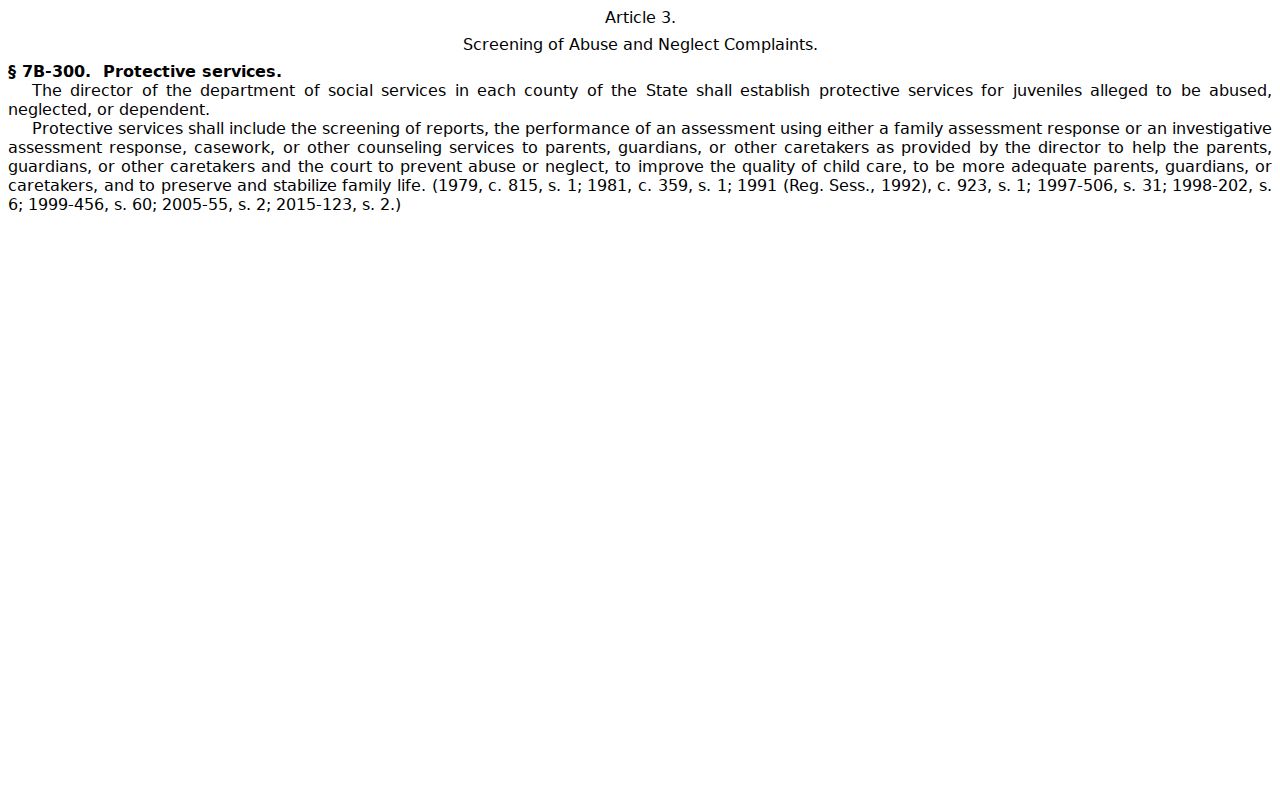
New case-management technology changes how you reach the Yancey County docket. It does not change who may see it. Juvenile files and other restricted criminal records stay closed to the public portal, no matter how modern the system becomes.